
What to Do If Your Car Won’t Start: Troubleshooting Tips
Having your car refuse to start can be incredibly frustrating, especially when you’re in a hurry or far from home. Fortunately, there are several common reasons why a car might not start, and knowing how to troubleshoot the issue can save you time and money. In this guide, we’ll walk you through some basic troubleshooting steps to help identify and possibly fix the problem, so you can get back on the road.
1. Check the Battery
A dead battery is one of the most common reasons a car won’t start. If you turn the key and hear nothing or a clicking sound, your battery might be the culprit.
What to Do:
- Test the Battery: If you have a multimeter, check the battery voltage. A fully charged battery should read around 12.6 volts. Anything lower might indicate a dead or dying battery.
- Jump-Start the Car: If the battery seems low, try jump-starting your car using jumper cables and another vehicle with a charged battery. If your car starts after a jump-start, your battery might need replacing, or it could be a charging issue.
- Check for Corroded Terminals: Look at the battery terminals for any corrosion (white, powdery substance). Clean the terminals carefully with a wire brush and try starting the car again.
2. Inspect the Starter Motor
If your battery is fine but the car still won’t start, the starter motor could be the issue. The starter is responsible for turning over the engine when you turn the key.
What to Do:
- Listen for Sounds: When you try to start the car, listen for any sounds coming from the engine. A loud clicking noise could indicate a problem with the starter motor.
- Check the Connections: Ensure the starter’s wiring and connections are secure. Loose or faulty connections can prevent the starter from functioning properly.
- Tap the Starter: Sometimes, tapping the starter gently with a hammer or wrench (while a friend turns the key) can free up stuck components. If the car starts, it may indicate the starter motor is faulty and needs replacement.
3. Check the Fuel System
If your car cranks but doesn’t start, the issue could be fuel-related. It could be as simple as an empty gas tank or a more complex problem like a failed fuel pump or clogged fuel filter.
What to Do:
- Make Sure There’s Fuel: Double-check that your gas tank isn’t empty. It’s easy to forget, especially if you’ve been driving for a while.
- Listen for the Fuel Pump: When you turn the key to the “on” position (without starting the engine), you should hear a faint humming sound from the fuel pump for a few seconds. If you don’t hear anything, the fuel pump could be faulty.
- Inspect the Fuel Lines: Check for any obvious leaks or issues in the fuel lines, which could be preventing fuel from reaching the engine.
- Check the Fuel Filter: A clogged fuel filter can prevent fuel from reaching the engine. If you suspect this, it might need to be replaced.
4. Examine the Ignition System
Your car’s ignition system includes the key, ignition switch, spark plugs, and ignition coil. Any malfunction in this system can cause the engine to fail to start.
What to Do:
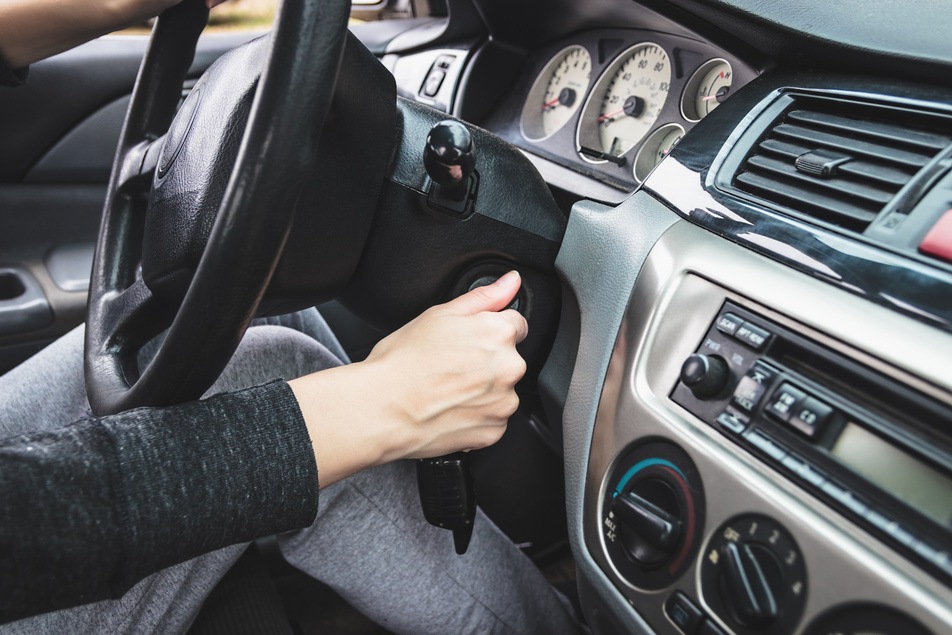
- Turn the Key and Listen: When you turn the key to the “start” position, listen for a clicking or buzzing sound. If there’s no noise at all, there may be an issue with the ignition switch or relay.
- Inspect the Key: If your car uses a traditional key, check if it’s damaged or worn down. If it’s a newer car with a push-button start, ensure your key fob has a working battery and is within range of the car.
- Check the Spark Plugs: Worn or dirty spark plugs can prevent the engine from firing. If you’re comfortable with DIY maintenance, inspect the spark plugs for wear or corrosion and replace them if necessary.
- Test the Ignition Coil: If your car uses an ignition coil to distribute spark, a faulty coil can prevent the car from starting. A mechanic can test this component to determine if it’s malfunctioning.
5. Look for Blown Fuses or Relays
A blown fuse or a malfunctioning relay can interrupt the car’s electrical system, preventing it from starting. These components are essential for powering the starter motor, ignition system, and fuel pump.
What to Do:
- Check the Fuses: Your vehicle’s owner’s manual will have a diagram of the fuse box, showing the location of fuses related to the starter, ignition, and fuel system. Inspect the relevant fuses and replace any that are blown.
- Check the Relays: The starter relay or fuel pump relay may also be to blame. If you suspect a relay failure, consult your owner’s manual for its location and consider swapping it with another identical relay to test if it’s faulty.
6. Test the Neutral Safety Switch
For automatic transmission vehicles, the neutral safety switch prevents the engine from starting unless the car is in “Park” or “Neutral.” If this switch malfunctions, the engine won’t start.
What to Do:
- Try Starting in Neutral: If your car won’t start in “Park,” try shifting the transmission to “Neutral” and then attempt to start the engine.
- Check the Switch: If shifting to Neutral doesn’t work, the neutral safety switch may need to be inspected and possibly replaced.
7. Check the Engine Timing and Timing Belt
A faulty timing belt or misaligned engine timing can prevent your car from starting, but these are more complex issues and typically require the expertise of a professional mechanic.
What to Do:
- Listen for Odd Sounds: If your engine cranks but doesn’t start, listen carefully for unusual noises, such as grinding. This could indicate an issue with the timing belt.
- Seek Professional Help: If you suspect a timing belt problem, it’s best to have a mechanic inspect the car. A broken timing belt can cause severe engine damage if not addressed promptly.
8. Check for Security System Issues
Modern cars are equipped with security systems (anti-theft systems) that can prevent the car from starting if they malfunction.
What to Do:
- Try Using a Spare Key: If you’re using a key fob, try a spare key to rule out the possibility of a malfunctioning key or fob.
- Check the Security Light: Look for any illuminated warning lights on the dashboard. If the security or anti-theft light is on, you may need to reset the security system or contact a dealership for assistance.
9. Get Help from a Professional
If you’ve gone through these troubleshooting steps and your car still won’t start, it’s time to call a professional. A certified mechanic can perform a thorough diagnostic test to identify the underlying issue and recommend the best course of action.
Conclusion
Dealing with a car that won’t start can be frustrating, but with a little troubleshooting, you can often pinpoint the issue. Start by checking the battery, starter, and fuel system, and work your way through other potential problems. If all else fails, don’t hesitate to reach out to a professional mechanic for help. Regular maintenance, such as checking the battery and replacing spark plugs, can help prevent starting issues in the future.